Last Updated on March 24, 2026 by Jane Nriapia
It always amazes me how many medical aesthetics clinics don’t make use of their before and after images.
I’ve heard the excuses: “Our patients would prefer that we didn’t use their images” and I understand that some patients feel this way, or at least don’t want to be easily identifiable in their photos.
Getting Patient Consent for Before and After Photos
I’ve also worked with clinics where the modus operandi is: “We will be using your before and after images unless you specifically opt out.”
If you don’t work in this type of clinic environment, it might surprise you to know that there is often less pushback to this than you might think.
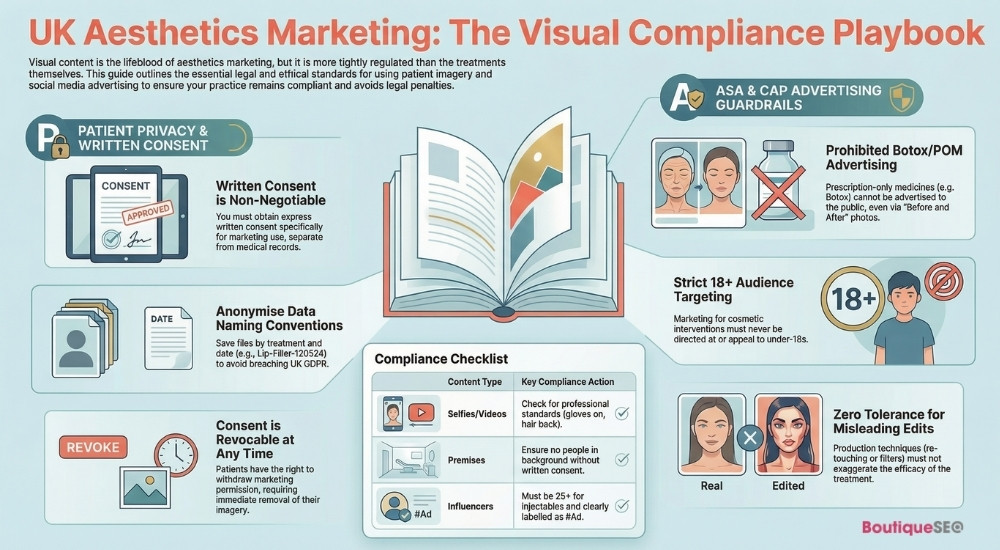
Patients are often ok with this especially if their images are used in a way that protects their privacy, such as adding strips over the eyes or cropping out defining features.
Once you have a bank of before and after images that have been approved for publication, you should think strategically about how to use them to get the most value.
You might already be using a blog, or thinking about starting one, in which case your before and after photos can become part of something bigger: an evergreen content strategy that consistently brings in new patients.
If you’re not sure how your blog fits into your overall visibility, this post breaks down the real purpose of blogging for aesthetics clinics.
Why Instagram Isn’t Enough for Aesthetic Results Marketing
We’ve all seen countless before and after images on our Instagram feeds, and for the most part, I think these types of photos are actually wasted on social media.
How many before and after lip filler shots do I need to see? And are they really enough to hold anyone’s attention when they’re in social media mode?
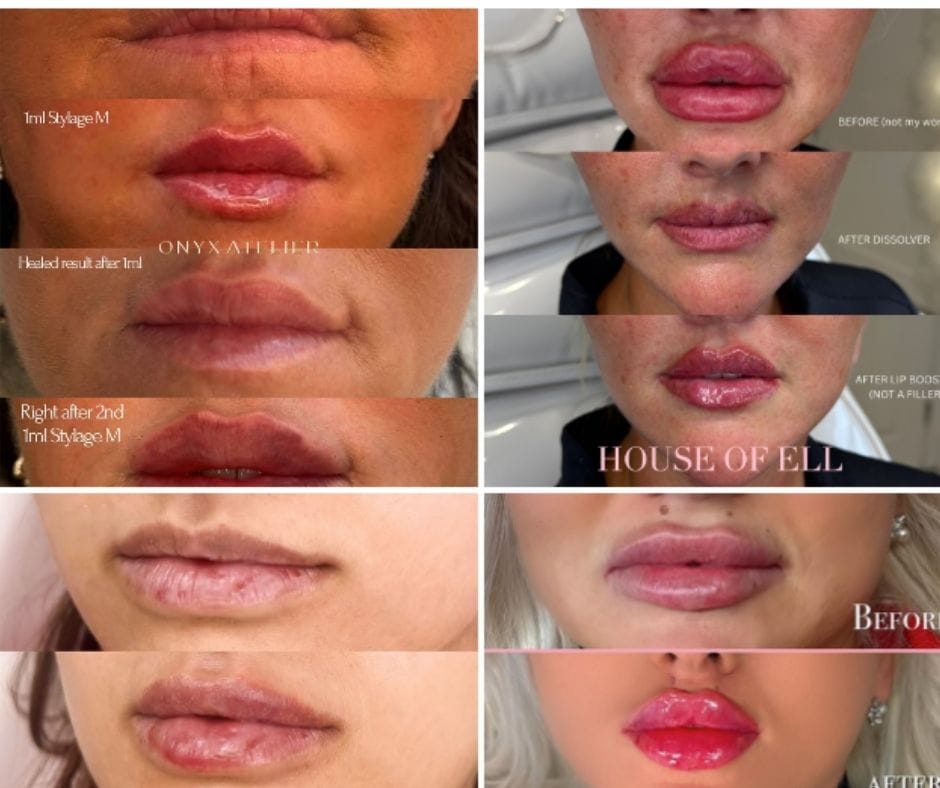
Also, how are these pictures supposed to compete with aesthetics clinics that have seemingly cracked the algorithm with Reels that get 10k views and resonate with everyone who has ever worked in a clinic environment?

There are some before and after pictures that should be shared on Instagram.
These are the ones where the results are undeniable. Maybe a non-surgical facelift that’s taken 10 years off someone, or a patient who has cleared their acne using medical-grade skincare.
I think the occasional standout before and after image can work in these scenarios. But I’m sorry, I know you need content, but I find it difficult to feel excited about another image of a patient who had 1ml of lip filler.
And I suspect your social media audience feels the same.
How to Use Before and After Photos for SEO
That doesn’t mean these images are useless. In fact, they’re incredibly valuable – just not always in the way you’re using them. As part of your wider content marketing strategy, they can support educational, SEO-optimised pages that speak directly to your ideal patient.
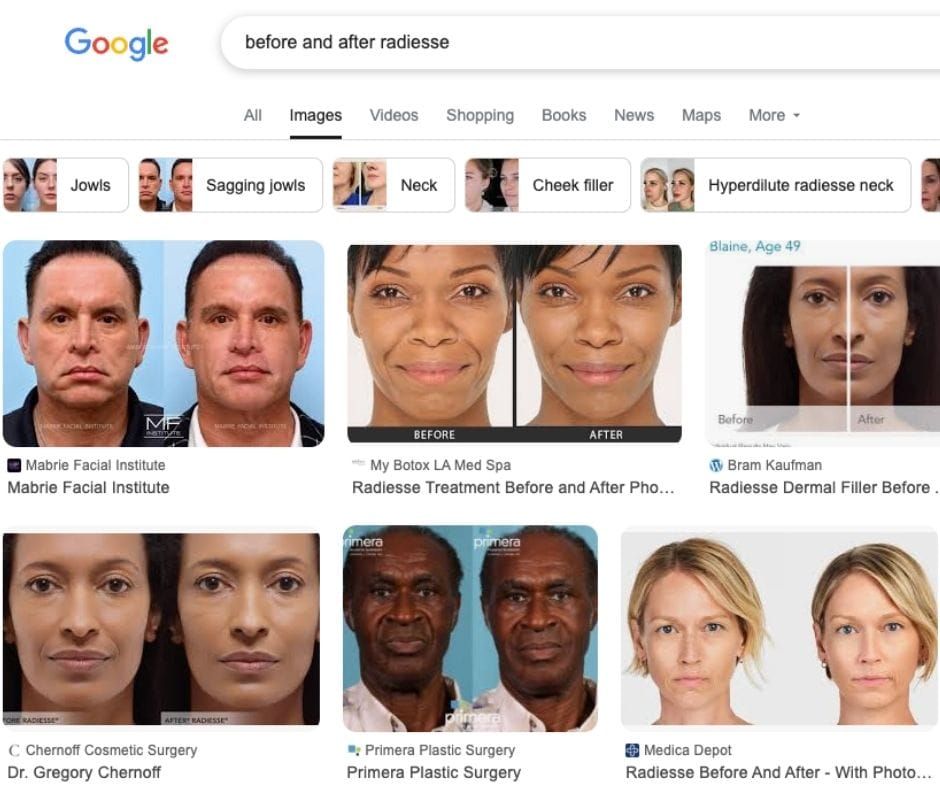
As someone who works in SEO for medical aesthetics clinics, I can categorically tell you that these images will work harder for you on your website than on social media.
Used correctly, they can even support your treatment pages, especially when you’re navigating tricky advertising rules. Here’s how to stay compliant when referencing treatments like Botox, while still making your results visible online.
The caveat is: you need to know how to publish your images properly from an SEO perspective, so they do the job of driving traffic and engagement to your site.
How to Use Before and After Photos for SEO
While most clinics think these images are just for visual proof, they are actually powerful SEO assets. When used correctly, they support educational, search-optimised pages that speak directly to your ideal patient.
As a specialist in medical aesthetics SEO, I can tell you that these images work much harder for you on your website than on social media because they become “searchable”. Here is how to optimise them for 2026:
- Rename Your Image Files: Before uploading, change files from
IMG_1234.jpgto descriptive names likelip-filler-before-after-leeds.jpg. This helps Google’s AI understand the context of your work. - Contextual Internal Linking: Don’t just let an image sit there. Link it to your core services. For example, if your current website doesn’t make it easy to showcase results, it may be time to consider a high-converting website design built specifically for aesthetics clinics.
- Compliance & Conversion: Properly published images drive targeted traffic by answering the patient’s most common question: “What will my results actually look like?” By linking these results to a dedicated medical aesthetics SEO strategy, you move from just “showing pictures” to capturing high-intent search traffic.
I have seen the direct impact of placing these images correctly; it is one of the fastest ways to drive high-quality, targeted traffic to your clinic’s site rather than just getting “likes” on a feed.
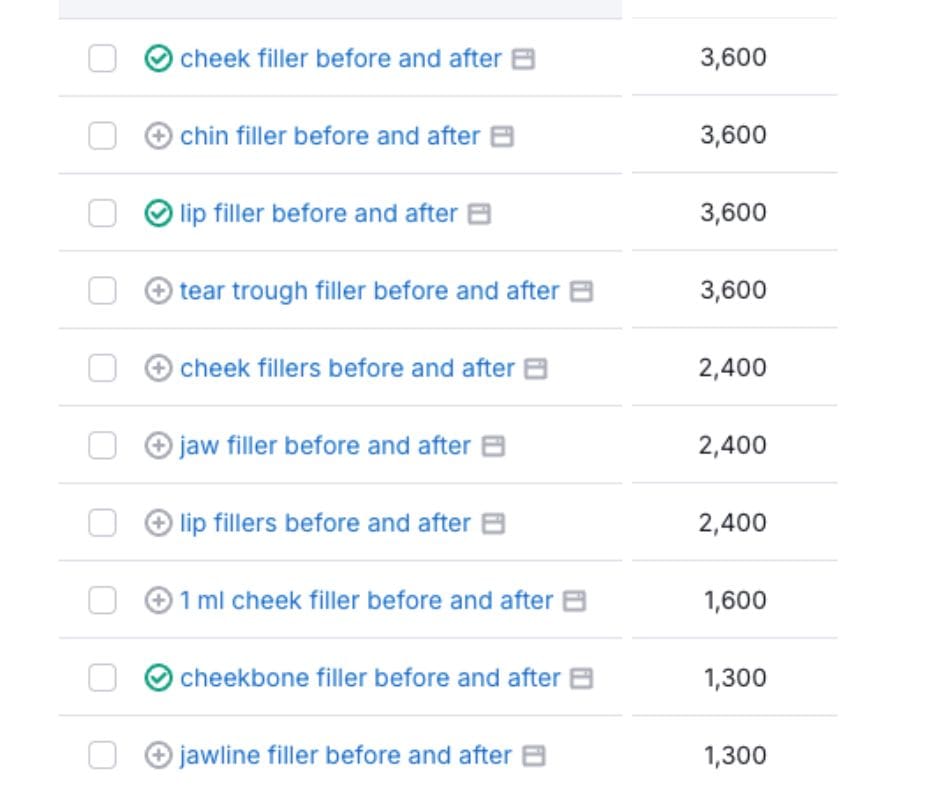
Turn Your Visual Results into Website Traffic
Medical aesthetics is visual, so having your best visuals indexed on Google is a surefire way to get more eyes on your website, your clinic, and your work.
It would be a shame for your best content to be relegated to a quick swipe on an Instagram feed, when, with the right strategy, it could become evergreen SEO content that drives traffic long after it’s posted.
If you want help attracting more consistent, high-quality patients, drop me a message and let’s talk, or start by exploring what SEO for aesthetics clinics really looks like.